Lightening and bleaching are among the most aggressive procedures in hairdressing. Even when using professional products, hair loses moisture, strength, and elasticity. The result is often disappointing: dryness, brittleness, a rubbery texture, and a lack of shine. The good news is that in most cases, hair can be restored — provided that it is cared for properly and systematically. Let's try to figure out how to save hair after lightening and restore its well-groomed appearance without myths and dangerous experiments.
Why does lightening and bleaching damage hair so much?

Lightening procedures work by destroying the natural pigment inside the hair. This is done using alkaline compounds and oxidants, which open the cuticle and penetrate the cortex. During this process, lipid bonds are destroyed, moisture is washed out, and the protein structure is partially damaged.
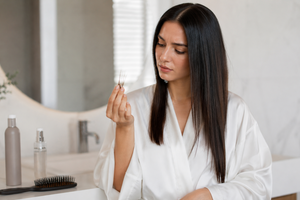
Thin, porous, and previously colored hair is particularly vulnerable. The higher the percentage of oxidizing agent and the longer the exposure time, the more serious the consequences. This is why hair often becomes dry, tangled, loses density, and does not hold its shape well after bleaching.
What to do in the first few days after unsuccessful lightening or harsh bleaching
The first 7–10 days after the procedure are a critical period. During this time, hair is particularly sensitive and needs to be treated with the utmost care. The main task is to stop further damage and replenish moisture.
Before moving on to active care, it is important to adjust your daily habits:
- avoid using flat irons, curling irons, and hot hair dryers for at least 10–14 days;
- refrain from using aggressive deep cleansing shampoos;
- wash your hair with warm, not hot water;
- do not comb your hair when wet without protective products.
After that, it is worth focusing on restoring the moisture balance and protecting the cuticle. Even simple measures in the early days significantly reduce the risk of breakage and split ends. Only after that should you choose how to treat your hair after lightening.
Home care for damaged bleached hair
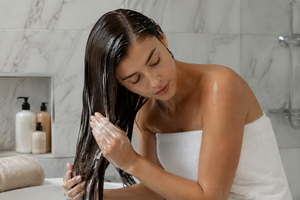
Proper home care for damaged, bleached hair is the basis for recovery after going blonde. It should be regular and tailored to the specific condition of the hair. Effective basic care usually includes:

- Gentle sulfate-free shampoo for bleached or damaged hair;
- Moisturizing conditioner after every wash;
- Restorative mask 1–2 times a week;
- Leave-in treatment with heat protection and amino acids.
When choosing how to treat your hair after bleaching, remember that an excess of nutrients, such as proteins, can make your hair stiff, while oils alone can weigh it down and increase dryness. Therefore, the balance between moisturizing and restorative products plays a key role. Gradually, your hair will become more elastic, smooth, and manageable.
When is it impossible to do without a master?
If your hair is extremely stretchy, breaks when combing, or looks "empty" even after masks, home care is insufficient. In such cases, a consultation with a professional is necessary, who will assess the extent of the damage and explain how to save your hair after bleaching with salon treatments.
A stylist can recommend reconstruction, bond restoration, proper care between treatments, and safe future color management. Self-experimentation in such situations often aggravates the problem and leads to the need for a radical hair cut.
Also, when choosing how to save damaged hair after bleaching, it's worth considering cold hair restoration. This therapy doesn't use high temperatures or harsh chemicals, making it suitable even for severely weakened and bleached hair. Active ingredients—amino acids, keratin, lipids, and moisturizing complexes—penetrate the hair structure, filling damaged areas and restoring density without weighing it down.
Cold restoration is especially recommended after unsuccessful bleaching, when hair requires rehabilitation before further treatments or coloring. The result is smoother, more elastic, and visibly healthier hair after the first session, and with a course approach, the quality of the hair is noticeably improved. A professional can determine whether this technique is suitable and which products will provide the maximum effect without risking damage to the hair.
Hair restoration after bleaching is a well-thought-out process. It requires time, patience, and the right products. Gradually, step by step, you can restore your hair's softness, shine, and well-groomed appearance without sacrificing length.
High-quality professional care is half the battle. You can always find proven kits for restoring, moisturizing, and protecting bleached hair at KeratinShop. This online store features products from trusted manufacturers that will help you maintain healthy locks in a variety of situations.